Understanding the Pulse Oximeter: Basics and Importance
Pulse oximeters have emerged as vital tools in healthcare, especially during the COVID-19 pandemic, where monitoring oxygen levels became crucial for patient care. Understanding how they work, their importance, and their application in both clinical and home settings is essential for patients and healthcare providers alike. When exploring options, pulse oximeter devices can provide comprehensive insights into your health, allowing for proactive management of respiratory conditions and overall well-being.
What is a Pulse Oximeter?
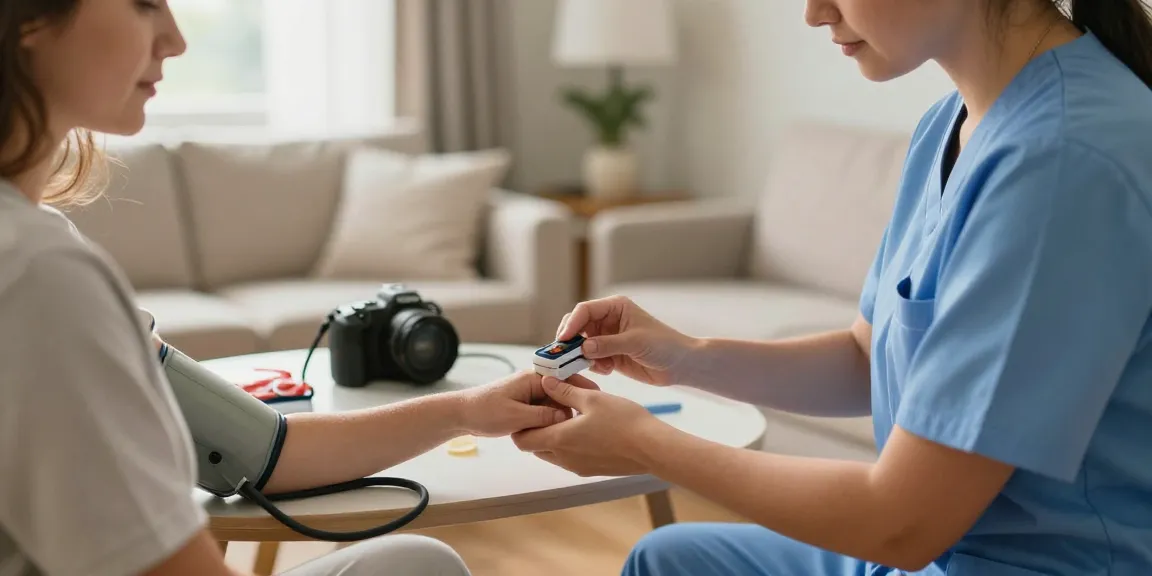
A pulse oximeter is a non-invasive device that measures the oxygen saturation level (SpO2) in a person's blood. This essential tool is widely used in hospitals, clinics, and increasingly in home care settings, allowing individuals to monitor their health conveniently. Typically, the device consists of a small clip that attaches to a finger, earlobe, or toe, using light absorption technology to gauge the amount of oxygen in the hemoglobin of red blood cells.
How Does a Pulse Oximeter Work?
The operation of a pulse oximeter is grounded in a simple yet sophisticated principle: photoplethysmography. The device emits light wavelengths through the skin to measure the light absorption of oxygenated and deoxygenated hemoglobin. When the heart beats, the capillaries expand and contract, allowing the device to simultaneously measure pulse rate and oxygen saturation. This immediate feedback helps detect any potential health issues related to oxygen deprivation.
Why is Monitoring Oxygen Levels Crucial?
Monitoring oxygen levels is crucial for several reasons, particularly for individuals with respiratory conditions such as asthma, COPD, or pneumonia. Low oxygen saturation can indicate serious health threats, requiring immediate intervention. Regular monitoring can help in adjusting treatment plans and avoiding severe complications. Additionally, healthy individuals may also benefit from being aware of their oxygen levels, particularly during exercise or at high altitudes.
Choosing the Right Pulse Oximeter for Your Needs
Key Features to Look For
When selecting a pulse oximeter, consider various features that enhance usability and accuracy. Key aspects include:
- Display: Look for a clear, easy-to-read display, preferably with adjustable brightness for use in different lighting conditions.
- Battery Life: Choose a model with long battery life to avoid frequent replacements, especially if used frequently.
- Portability: Lightweight and compact designs are ideal for home use or travel.
- Accuracy: Ensure that the device is clinically validated for reliable readings, as accuracy is paramount in health monitoring.
- Additional Features: Some models offer Bluetooth connectivity for data tracking, alarms for low readings, and memory functions to store past readings.
Comparing Different Models and Brands
With a plethora of options available, comparing different pulse oximeter models can be overwhelming. Leading brands such as Nonin, Masimo, and Finger Pulse Oximeter have established reputations for accuracy and durability. Look for online reviews, customer feedback, and professional recommendations to determine which model aligns best with your needs. Moreover, price plays a role; while cheaper options exist, investing in a reliable brand can yield better long-term benefits.
How to Ensure Accurate Readings
To obtain accurate readings from a pulse oximeter, adhere to the following guidelines:
- Placement: Ensure the sensor is correctly placed, typically on a warm finger. Cold extremities can affect readings.
- Movement: Remain still during the measurement, as movement can lead to inaccurate results.
- Skin Conditions: Nail polish, artificial nails, and skin pigmentation can influence measurements. If you have concerns, consult your healthcare provider.
Using a Pulse Oximeter: Step-by-Step Guide
Preparing for Measurement
Preparation is vital for accurate readings. Ensure that your hands are warm and clean, and remove any nail polish if necessary. If you’re using a finger oximeter, sit down comfortably to limit movement during the measurement process.
How to Properly Use the Device
To use a pulse oximeter, follow these steps:
- Turn on the device.
- Place your finger (or chosen site) into the clip.
- Wait for the device to stabilize and display the readings, which usually takes a few seconds.
Interpreting Your Results
Understanding your results is crucial. A normal oxygen saturation level typically ranges from 95% to 100%. Readings below 90% may necessitate immediate medical evaluation. Always consult with your healthcare provider if you have concerns or if the readings fluctuate.
Common Misconceptions about Pulse Oximeters
Myths vs. Facts
Several myths surround pulse oximeters that can lead to misunderstandings. For instance, many believe that a pulse oximeter can diagnose diseases; however, it only indicates oxygen levels and should be part of a comprehensive health assessment.
Understanding Limitations and Capabilities
While pulse oximeters provide valuable information, they have limitations. Factors such as poor circulation, skin pigmentation, and certain medical conditions can affect accuracy. Therefore, it’s important to use them as a screening tool rather than a definitive diagnosis.
When to Seek Professional Advice
If you consistently receive abnormal readings or experience symptoms such as shortness of breath, it is essential to seek professional medical advice. Healthcare professionals can provide a comprehensive evaluation and recommend appropriate interventions.
Future Trends: Pulse Oximeters in 2026 and Beyond
Advancements in Technology
The future of pulse oximeters looks promising, with advancements in technology leading to more accurate and user-friendly devices. Wearable technology is on the rise, with smartwatches increasingly integrating pulse oximetry functions. This evolution allows for continuous monitoring, providing real-time data to users and healthcare providers.
Integration with Home Health Systems
As telehealth continues to grow, integrating pulse oximeters into home health systems is becoming essential. Patients will have the ability to share their oxygen levels directly with healthcare providers, facilitating proactive care and immediate intervention when necessary.
Preparing for Future Health Monitoring Needs
Preparing for future health monitoring needs involves staying informed about technological advancements. As devices become more sophisticated, understanding their functionalities, limitations, and best use practices will empower patients to take charge of their health.
What Can You Expect?
In coming years, expect to see pulse oximeters equipped with advanced algorithms that offer predictive insights into potential health issues before they manifest. These innovations will transform how individuals monitor their health.
How Telehealth is Evolving
Telehealth continues to evolve, blending in-person and remote care. Pulse oximeters play a critical role in this shift, providing essential data that supports virtual consultations. Expect to see healthcare professionals relying on real-time data from devices to tailor patient care more effectively.
Connecting to Emergency Services
Future pulse oximeters may feature connectivity to emergency services, automatically alerting healthcare providers in case of critical readings. This feature could save lives, ensuring timely intervention during emergencies.
What’s Next for Home Health Technologies?
The horizon for home health technologies looks promising, with more devices like pulse oximeters becoming smart and interconnected. Anticipate advancements in AI and machine learning to refine the accuracy of readings and offer personalized health insights.
Frequently Asked Questions
How Accurate are Home Pulse Oximeters?
Home pulse oximeters can be highly accurate, especially those that are clinically validated. However, various factors can affect their performance, as discussed earlier. It's crucial to choose reputable brands and use the devices correctly.
Can I Use a Pulse Oximeter if I’m Healthy?
Absolutely! Healthy individuals can use pulse oximeters to monitor their oxygen levels, especially during physical activities or when traveling to high altitudes. This information can provide insights into their fitness levels and overall health.
How Often Should I Check My Oxygen Levels?
The frequency of checking your oxygen levels depends on your health status. Individuals with respiratory conditions may need to monitor their levels multiple times a day, while healthy individuals might check them less frequently, primarily during exercise or when feeling unwell.
What Should I Do with Abnormal Results?
If you encounter abnormal results, such as an oxygen saturation level below 90%, it is crucial to consult with a healthcare provider to determine the underlying issue and appropriate action to take.
What are the Alternatives to Pulse Oximeters?
Alternatives to pulse oximeters include arterial blood gas tests, which provide a more comprehensive assessment of blood oxygen levels. However, these tests are invasive and typically conducted in clinical settings. For home monitoring, pulse oximeters remain the preferred choice due to their non-invasive nature and ease of use.