Understanding Mold Remediation West Vancouver
Mold remediation is an essential service for homeowners and businesses in West Vancouver due to the region's unique climate, characterized by heavy rainfall and high humidity. This environment fosters the growth of mold, which not only affects the aesthetics of buildings but can also pose serious health risks. Whether you're dealing with a small patch of mold or a larger infestation, understanding the complexities of mold remediation is crucial for effective resolution. When exploring options, Mold Remediation West Vancouver provides comprehensive insights into mitigating and preventing mold issues in your property.
What is Mold Remediation?
Mold remediation is the process of removing mold from indoor environments while addressing the underlying moisture problems that allow mold to thrive. Unlike simple cleaning techniques that might temporarily disguise the problem, remediation is a thorough approach that ensures mold is eliminated and future growth is prevented. It involves identifying the source of moisture, safely removing the mold, cleaning contaminated materials, and implementing moisture control solutions.
Importance of Professional Services in Vancouver
Given the risks associated with mold exposure—such as respiratory issues, allergies, and other health problems—professional mold remediation is vital. Certified experts understand the complexities of mold behavior and utilize specialized equipment and techniques to ensure complete removal. Their expertise helps in complying with health standards and insurance requirements, thus safeguarding property owners from further complications.
Common Mold Types Found in West Vancouver Homes
West Vancouver is home to various mold types that can develop in both residential and commercial properties, including:
- Aspergillus: A common mold that can cause allergies and respiratory issues.
- Stachybotrys (Black Mold): Known for its toxic properties, this mold thrives in damp, humid areas.
- Cladosporium: Frequently found on surfaces with moisture, it can lead to allergic reactions.
- Penicillium: This mold is typically found in water-damaged materials and can produce mycotoxins.
Assessing the Problem: Identifying Mold Growth
Signs You Need Mold Remediation
Recognizing the signs of mold growth early can prevent extensive damage and health problems. Here are some key indicators:
- Visible Mold: Dark spots or discoloration on walls, ceilings, or floors.
- Musty Odors: A persistent damp smell often indicates hidden mold.
- Water Damage: Signs of leaks, stains, or previous flooding can signal potential mold growth.
- Health Symptoms: Increase in allergy-like symptoms or respiratory issues among occupants.
Common Moisture Sources in Homes
To effectively combat mold, it’s crucial to understand where moisture comes from. Common sources include:
- Leaky roofs or plumbing.
- High humidity levels, especially in bathrooms and kitchens.
- Condensation on windows and poorly insulated walls.
- Flooding or basement seepage.
How to Conduct a Preliminary Inspection
A thorough inspection is the first step in identifying mold problems. Here’s how to conduct one:
- Check areas known for moisture, such as bathrooms, kitchens, and basements.
- Look for water stains, mold growth, or peeling paint.
- Use a moisture meter to detect dampness in building materials.
- Consider hiring professionals for a more detailed assessment.
The Mold Remediation Process
Steps to Contain and Remove Mold Safely
The mold remediation process typically follows these steps:
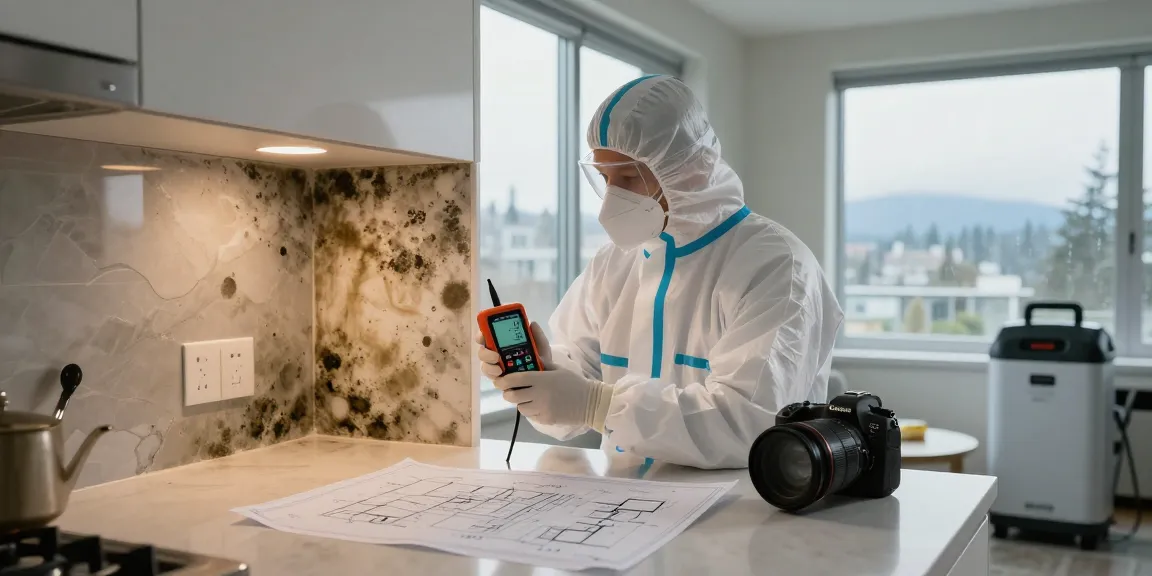
- Assessment: Inspect the property to determine the extent of mold growth and identify moisture sources.
- Containment: Set up barriers to prevent mold spores from spreading during cleanup.
- Removal: Safely remove contaminated materials and thoroughly clean affected surfaces using specialized techniques.
- Restoration: Repair any damage caused by mold and implement moisture control strategies.
Utilizing HEPA Filtration and Antimicrobial Treatments
HEPA filtration is crucial in the remediation process as it captures microscopic mold spores that are not visible to the naked eye. Additionally, antimicrobial treatments are applied to eliminate mold colonies and prevent future growth. These methods, combined with thorough cleaning, ensure that the environment is safe and healthy.
Documentation and Compliance with Health Standards
Proper documentation throughout the remediation process is essential for compliance with health standards and insurance requirements. Professionals will typically provide a detailed report that includes photographs and descriptions of the remediation efforts, which can be crucial for homeowners filing insurance claims.
Costs Involved in Mold Remediation
Factors Affecting Mold Remediation Costs
The cost of mold remediation can vary significantly based on several factors, including:
- The extent of the mold infestation.
- The type of mold present.
- Accessibility of the affected areas.
- Geographic location and local labor rates.
Budgeting for Mold Cleanup Services
When budgeting for mold remediation, it’s important to include potential costs for preliminary inspections, remediation services, and any necessary repairs. Obtaining multiple estimates can provide a better understanding of the financial commitment required.
Understanding Insurance Coverage for Mold Removal
Homeowners should review their insurance policies to determine coverage for mold remediation. Many policies will cover mold cleanup if it results from a covered peril, such as a burst pipe. However, mold that develops due to negligence, such as failure to maintain proper ventilation, may not be covered.
Preventing Future Mold Growth
Best Practices for Homeowners in West Vancouver
To protect your home from mold in the future, consider implementing these best practices:
- Maintain low indoor humidity levels (ideally between 30-50%).
- Ensure proper ventilation in damp areas like bathrooms and kitchens.
- Regularly inspect and maintain roofs, gutters, and plumbing systems.
- Use moisture barriers in basements and crawl spaces.
Long-Term Moisture Control Solutions
In addition to simple maintenance, long-term solutions include installing dehumidifiers and ensuring adequate insulation in attics and walls. Sealing leaks and improving drainage around the property can also make a significant difference in moisture control.
Regular Maintenance Tips to Avoid Mold
Regular home maintenance can prevent mold growth. Here are some effective strategies:
- Clean and disinfect bathrooms and kitchens regularly.
- Check and replace air filters in HVAC systems.
- Dry wet areas immediately after spills or leaks.
- Clear gutters and downspouts to ensure proper drainage.
What Health Risks Are Associated with Mold Exposure?
Mold exposure can lead to a variety of health issues, particularly for sensitive individuals, such as:
- Respiratory problems, including asthma and allergies.
- Skin irritations and rashes.
- Neurological symptoms in extreme cases, particularly with toxic mold varieties.
How to Choose a Reliable Mold Remediation Service?
When selecting a mold remediation service, consider the following tips:
- Verify credentials and certifications, such as IICRC certification.
- Look for reviews and testimonials from previous clients.
- Request a detailed estimate and scope of work.
- Inquire about their mold remediation process and follow-up services.
Can You DIY Mold Removal Effectively?
While minor mold issues can sometimes be addressed with DIY methods, such as using vinegar or commercial mold removers, extensive infestations require professional intervention. Attempting to clean large areas of mold can risk spreading spores, causing more significant health hazards.
How Long Does Mold Remediation Typically Take?
The duration of mold remediation can vary based on the extent of the infestation and the size of the affected area. Small jobs may be completed in a few hours, while larger projects could take several days. Factors influencing the timeline include the moisture source, the condition of the property, and the remediation methods employed.
What Happens During a Mold Inspection?
A mold inspection involves a comprehensive assessment of the property, including visual checks, moisture readings, and air sampling. Inspectors look for signs of current or previous water damage, and they may utilize specialized tools like thermal imaging cameras to identify hidden mold.
Is Mold Fogging a Reliable Method?
Mold fogging utilizes a fine mist of antimicrobial solutions to penetrate into areas where mold spores may be hiding. While effective as a supplemental method, it should not replace complete mold remediation processes, which include containment, removal, and drying. Fogging should be part of a holistic approach to mold management.